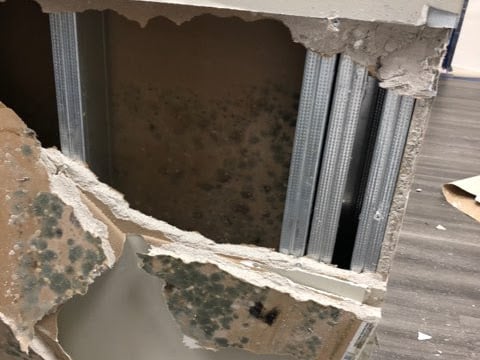
When to Get a Mold Inspection
Learn when professional assessment may be useful after water damage, musty odors, visible concerns, real-estate questions, HVAC complaints or previous remediation.
Read mold inspection articleEnvironmental Testing Articles and Industrial Hygiene Resources
Practical articles about mold, moisture, indoor air quality, formaldehyde, VOCs, mercury vapor, lead dust, respirable crystalline silica, construction dust, smoke residue, HVAC contamination, water quality, Legionella, radiofrequency exposure and other building-related concerns.
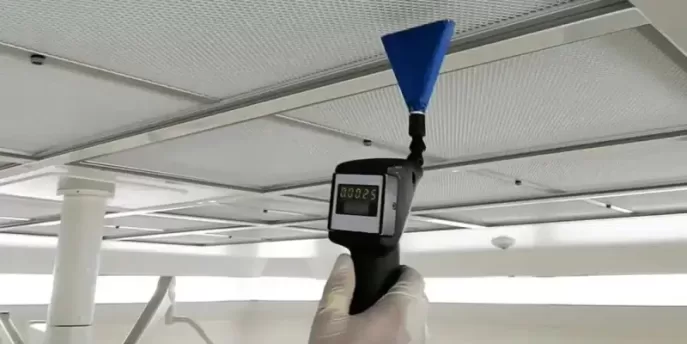
Environmental information organized by concern
The Angstrom Testing Services resource center provides practical information for homeowners, tenants, property managers, building owners, attorneys, contractors, schools, health care facilities and commercial property professionals.
The articles explain common warning signs, likely contaminant sources, inspection considerations, sampling methods, analytical limitations and situations where professional environmental testing may be useful.
For site-specific assistance, use the linked service pages or provide details about the property and environmental concern in the project request form.
Browse the environmental resource library
Select a category to review articles related to that environmental testing concern.
Mold inspections, environmental mycotoxin testing, hidden mold, water damage, remediation clearance and HVAC contamination.
Browse mold and mycotoxin articles 02Ventilation, carbon dioxide, carbon monoxide, particles, dust, allergens, combustion sources and sick-building complaints.
Browse IAQ articles 03Formaldehyde, VOCs, mercury vapor, cabinetry, thirdhand smoke, nicotine residue, chemical odors and radiofrequency exposure.
Browse chemical articles 04Lead dust wipes, XRF testing, deteriorated paint, older buildings, renovation work and the EPA RRP Rule.
Browse lead articles 05Respirable crystalline silica, personal exposure monitoring, area air sampling, settled dust and construction-dust migration.
Browse silica articles 06Potable-water sampling, total coliform, E. coli, environmental bacteria, building water systems, Legionella and result interpretation.
Browse water and bacteria articlesRecommended starting points
These articles address some of the most common questions involving mold inspection, post-remediation verification and indoor chemical sources.
Learn when professional assessment may be useful after water damage, musty odors, visible concerns, real-estate questions, HVAC complaints or previous remediation.
Read mold inspection article
Learn how cabinets, MDF, particleboard, plywood, furniture and other engineered wood products may release formaldehyde into indoor air.
Read formaldehyde guide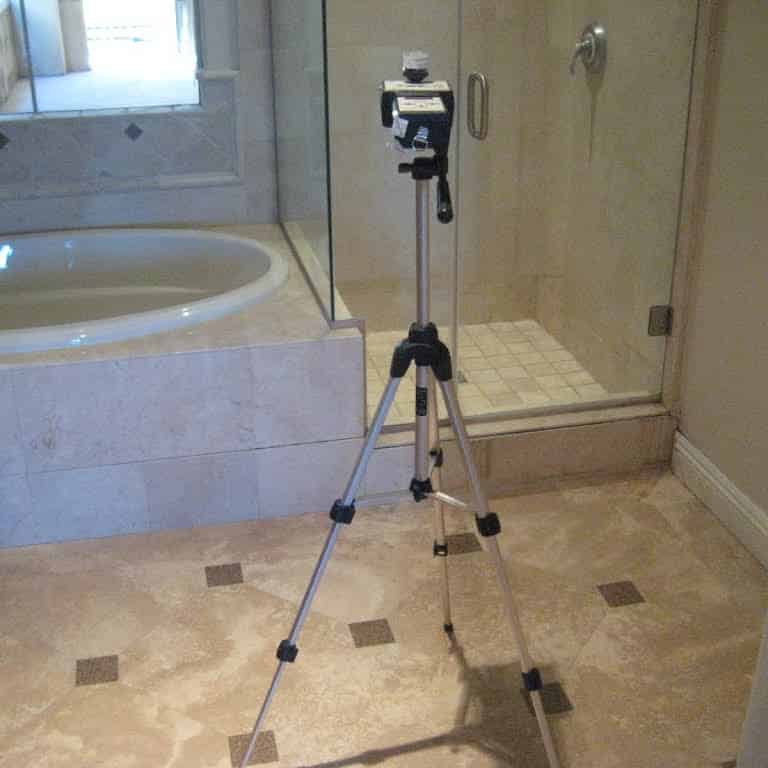
Review independent post-remediation inspection, moisture, cleanliness, project-specific criteria and targeted sampling when appropriate.
Read clearance articleMold inspections, mycotoxins, hidden conditions and water damage
Articles about environmental mycotoxin testing, mold inspection, damp materials, hidden growth, basement conditions, remediation verification and HVAC dust.
How dust, surface and building-material mycotoxin results should be interpreted with mold, moisture, sample location and historical dust conditions.
Read mycotoxin articleIndependent post-remediation inspection, moisture review, cleanliness, project-specific criteria and targeted sampling when appropriate.
Read articleWhen professional assessment may help after water damage, musty odors, visible concerns, real-estate questions, HVAC complaints or remediation.
Read articleHow pipe condensation can contribute to damp cabinets, wall cavities, ceilings, basements and mold growth.
Read articleBasement moisture, musty odors, mold potential, humidity, ventilation, dust and below-grade air movement.
Read articleConcealed mold behind walls, under flooring, above ceilings, behind cabinets and in other building assemblies affected by moisture.
Read articleWhen duct dust, visible contamination, mold-like growth, odors and debris in HVAC equipment may warrant further evaluation.
Read articleReview Angstrom’s mold inspection, moisture assessment and HVAC contamination services.
Ventilation, combustion, dust and building-related complaints
Articles about carbon dioxide, carbon monoxide, fine particles, ventilation, dust reservoirs, pest allergens and recurring building-related complaints.
How carbon dioxide can be used as an occupancy and ventilation indicator in offices, schools and occupied indoor environments.
Read articleDust mites, pet dander, pollen, fungal particles and other allergens that may collect in soft furnishings and settled dust.
Read articleHow pest debris, droppings and body fragments may become part of settled dust in apartments, schools, offices and homes.
Read articleHow outdoor air standards may provide context for indoor carbon monoxide, smoke, combustion and fine-particle investigations.
Read articleVentilation, moisture, chemical emissions, particles, odors and HVAC conditions that may contribute to recurring occupant complaints.
Read articleDust, allergens, microbial debris, visible contamination and odor concerns associated with ducts and air-handling equipment.
Read articleReview air sampling, odor investigation, ventilation evaluation and environmental dust-testing services.
Formaldehyde, VOCs, mercury vapor, chemical odors, smoke residue and RF exposure
Articles about formaldehyde from engineered wood, EPA TO-15 VOC canister sampling, GC/MS, mercury spills and vapor testing, tentatively identified compounds, smoke residue and radiofrequency exposure.
How direct-reading mercury vapor surveys, NIOSH Method 6009 air sampling, room conditions and post-cleanup testing are used after an elemental mercury spill.
Read mercury vapor articleHow whole-air canister sampling, GC/MS target-compound analysis and optional tentatively identified compound review are used in VOC and chemical-odor investigations.
Read articleHow cabinets, MDF, particleboard, plywood, furniture and other engineered wood products may contribute formaldehyde to indoor air.
Read formaldehyde guideHow tobacco-smoke residue may remain on walls, floors, furniture, dust, HVAC surfaces and other indoor materials.
Read articleWhat radiofrequency measurements can document and how results may be compared with applicable exposure criteria.
Read articleReview formaldehyde, VOC, mercury-vapor, smoke-residue and radiofrequency-testing services.
Older paint, settled dust and renovation work
Articles about lead dust wipe sampling, painted surfaces, older housing and lead-safe renovation practices.
Why lead dust may collect on floors, window sills, window wells, stairs and renovation areas even when surfaces appear clean.
Read articleLead paint concerns involving walls, windows, doors, trim, stairs, railings and other painted building components.
Read articleLead-safe work practices, certified firms, renovation dust and testing considerations for work involving older painted surfaces.
Read articleReview XRF inspections, dust wipe sampling, clearance testing and lead-risk-assessment services.
Worker exposure, area monitoring and deposited construction dust
Articles about personal breathing-zone monitoring, fixed-location air sampling, settled silica dust, construction-dust migration, NIOSH Method 7500 and interpretation of occupational versus building-dust measurements.
Learn how personal breathing-zone samples, area air samples and settled-dust testing answer different questions in occupational exposure and construction-dust investigations.
Read silica testing articleReview personal exposure monitoring, area and perimeter air sampling, baseline monitoring, settled-dust testing and construction-dust migration assessment services.
Potable water, environmental bacteria and building water systems
Articles about total coliform, E. coli, environmental bacteria sampling, potable-water testing, building hot- and cold-water systems, Legionella, representative sample locations and interpretation of laboratory results.
Learn how water, surface and air bacteria samples answer different questions, what total coliform and E. coli results mean, and why environmental microbiology testing should be targeted to a defined objective.
Read bacteria testing articleHow representative sample locations, hot- and cold-water systems, recirculation, distal outlets, temperature, stagnation, biofilm and collection conditions affect Legionella testing and interpretation.
Read Legionella articleReview Angstrom’s environmental bacteria, drinking-water and potable-water Legionella testing services.
From general information to property-specific testing
Select the relevant service when you need a site inspection, environmental samples, laboratory analysis or written documentation.
Odors, particles, dust, smoke, ventilation, chemical vapors and HVAC-related complaints.
View air quality testing MMoisture assessment, mold air sampling, surfaces, dust, hidden mold and remediation clearance.
View mold testing ACMLicensed inspections, bulk materials, air testing, dust testing and renovation surveys.
View asbestos testing PbXRF inspections, dust wipes, risk assessments, clearance and renovation investigations.
View lead testing VOCCabinets, furnishings, flooring, renovation materials and chemical odor investigations.
View chemical testing H₂OLead, bacteria, metals, PFAS, VOCs, private wells and drinking-water complaints.
View water testing LEGPotable hot- and cold-water systems, showers, sinks, storage tanks, recirculation and post-corrective-action testing.
View Legionella testing MYCDust, surfaces, water-damaged materials and mold-related building investigations.
View mycotoxin testingOfficial technical and regulatory resources
Access federal and New York resources related to indoor air quality, mold, occupational sampling, lead-safe renovation, laboratories and radiofrequency exposure.
Federal resources concerning indoor pollutant sources, ventilation, source control, particles, filtration and building air quality.
Open EPA resource EPAGuidance about moisture control, mold growth, damp materials, cleanup and prevention.
Open EPA resource NIOSHSampling and analytical methods used for occupational and industrial-hygiene exposure assessment.
Open NIOSH resource EPAFederal requirements and resources for renovation, repair and painting involving older painted surfaces.
Open EPA resource NYSDOHSearch New York environmental laboratories and their approved analytical fields.
Search laboratories FCCFederal information concerning radiofrequency exposure, communications facilities and applicable exposure criteria.
Open FCC resourceRegional environmental testing
Angstrom provides environmental testing and industrial hygiene consulting throughout the New York metropolitan region and selected nearby areas of New Jersey and Connecticut.
Serving Nassau County, Suffolk County, Queens and nearby Long Island communities.
View Rockville Centre locationServing Manhattan, Brooklyn, Queens, the Bronx, Staten Island and properties throughout New York City.
View Manhattan locationServing White Plains, Westchester County and nearby areas of southern Connecticut.
View White Plains locationUsing the Angstrom environmental resource center
Topics include mold, moisture, HVAC systems, indoor air quality, formaldehyde, VOCs, lead dust, renovation, smoke residue, allergens, carbon dioxide, carbon monoxide, water quality, Legionella and radiofrequency exposure.
An article provides general information. A property-specific conclusion requires evaluation of the actual conditions, building history, accessible areas, suspected sources and any samples or measurements included in the project.
Start with the complaint or decision that must be addressed. Testing methods should be selected for the suspected contaminant, source, environmental medium, reporting limit and intended use of the findings.
No. Angstrom provides independent environmental inspection, testing, sampling, laboratory coordination, consulting and written reporting.
Angstrom’s Web Stories and Field Guides page provides visual summaries of common building and environmental testing topics.
Provide the property address, property type, affected areas, complaint history, visible conditions, odors, moisture, renovation work, previous testing and the documentation you need.
Request independent environmental testing
Tell us about the property, environmental concern, affected rooms, odors, water damage, renovation work, suspected source, previous testing and the type of documentation you need.


Certified Industrial Hygienist
Indoor Air Quality Association
Board for Global EHS Credentialing
IICRC Certified
Rockville Centre Chamber Member