Musty Odor
A persistent damp or musty odor may indicate wet materials, hidden microbial growth, HVAC contamination, a damp basement, or another concealed reservoir.
Licensed Mold Assessment and Independent Environmental Testing
Independent mold inspections, mold air testing, surface sampling, mold dust testing, ERMI and HERTSMI-2 sampling, moisture assessment, HVAC mold evaluation, remediation protocols, and post-remediation verification.
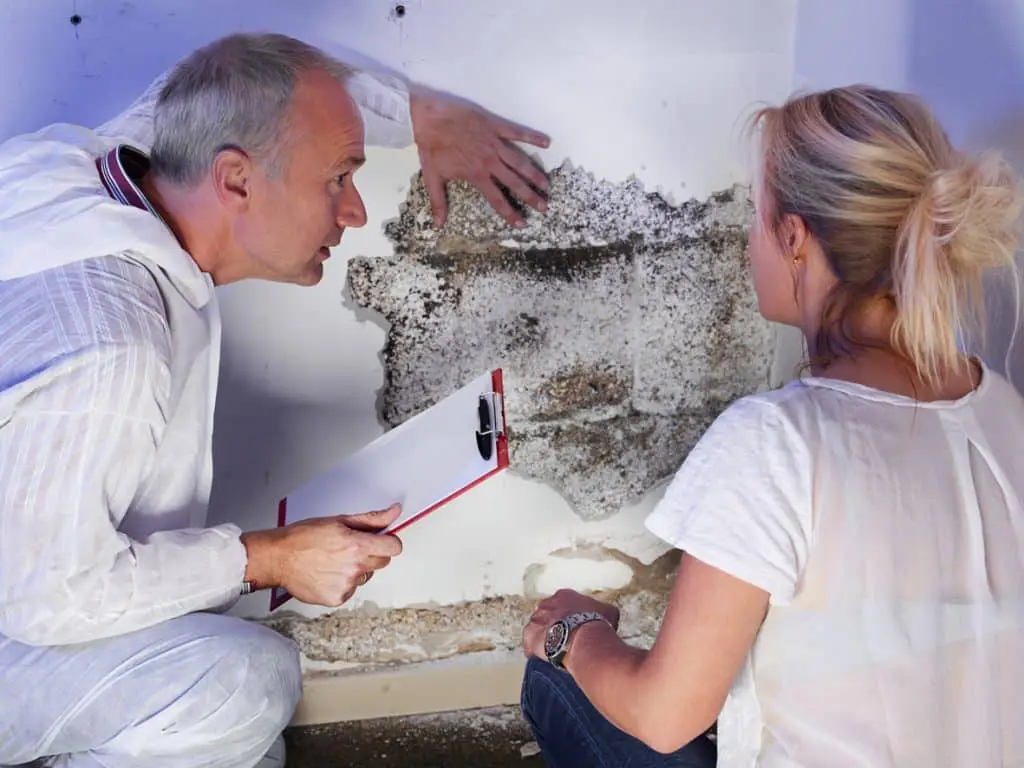
Independent mold assessment
Angstrom Testing Services LLC provides independent mold inspections and sampling for homes, apartments, condominiums, co-ops, offices, schools, health care facilities, commercial buildings, property managers, attorneys, insurers, and facility owners.
A mold assessment may include a review of the complaint and water-damage history, visual inspection of accessible areas, moisture measurements, thermal imaging when useful, odor observations, HVAC review, photographs, mold air samples, surface samples, settled-dust samples, and laboratory analysis.
Mold testing is most useful when it is designed to answer a defined question. The objective may be to evaluate a musty odor, confirm suspect visible growth, investigate hidden mold, document a water-damage condition, evaluate an HVAC concern, establish a remediation scope, or assess selected post-cleanup conditions.
Angstrom provides testing, assessment, sampling, consulting, remediation planning, and clearance evaluation. We do not perform mold remediation, demolition, cleanup, reconstruction, or restoration contracting.
Common reasons for an assessment
A persistent damp or musty odor may indicate wet materials, hidden microbial growth, HVAC contamination, a damp basement, or another concealed reservoir.
Roof leaks, plumbing leaks, floods, appliance failures, sewage backups, condensation, wet insulation, or incomplete drying can support mold growth.
Discoloration, spotting, fuzzy growth, peeling finishes, swollen materials, damaged drywall, or recurring staining may warrant further evaluation.
Mold may occur behind walls, beneath flooring, above ceilings, inside cabinets, around windows, in pipe chases, or within HVAC equipment.
Read about hidden moldOdors from supply air, debris on blower components, wet duct liner, dirty coils, condensate problems, or contaminated fan-coil units may require HVAC-focused review.
View HVAC mold assessmentBuyers, sellers, boards, managers, and attorneys may request inspection after prior leaks, basement dampness, roof staining, incomplete repairs, or musty odors.
A licensed assessment may be needed to define the affected areas, moisture source, removal scope, cleaning requirements, containment, and clearance criteria.
Independent inspection and selected testing may help document visible conditions, moisture, cleanliness, odors, and project-specific criteria after corrective work.
View mold clearance guidanceInspection and sampling options
Sampling is selected for the property, suspected source, access conditions, project objective, laboratory method, and intended use of the findings. Not every inspection requires every sample type.
Short-duration air samples may be collected to evaluate airborne fungal spores at selected indoor locations and compare them with outdoor or other reference areas.
Tape, swab, or bulk samples may be used to evaluate suspect visible growth, stained materials, HVAC surfaces, contents, or selected post-cleanup areas.
Dust samples may be used for selected mold-reservoir, ERMI, HERTSMI-2, mycotoxin, historic-deposition, or occupant-sensitivity project scopes.
DNA-based dust testing may identify and quantify selected mold species. Results require careful interpretation and should not replace inspection or moisture-source evaluation.
Moisture meters, relative humidity, temperature, visual observations, leak history, and thermal imaging when useful may help identify damp materials.
Odor patterns, staining, moisture, damaged finishes, adjacent spaces, wall and floor assemblies, cabinets, ceiling cavities, and utility pathways may be evaluated for concealed-risk conditions.
Read about hidden moldAccessible fan coils, air handlers, blowers, coils, drain pans, filters, return plenums, duct liner, registers, and condensate conditions may be reviewed.
View HVAC mold assessmentVerification may include visual inspection, moisture checks, dust and debris review, odor observations, project-specific criteria, and selected air or surface samples when appropriate.
View mold clearance guidanceDocumentation may include observations, moisture conditions, sample locations, analytical results, photographs, affected areas, limitations, and recommendations.
For applicable projects, a mold remediation plan may define removal areas, source correction, containment, cleaning, disposal, worker protection, documentation, and clearance criteria.
Assessments may support home, condo, co-op, office, or commercial property decisions when leaks, odors, staining, basements, roofs, or HVAC systems are concerns.
Selected dust or material samples may be analyzed for mycotoxins when the project objective supports this specialized laboratory testing.
View mycotoxin testingA building-focused approach
We review odors, leaks, floods, repairs, drying, prior testing, remediation, HVAC operation, affected rooms, occupant observations, and project deadlines.
Accessible walls, ceilings, floors, windows, plumbing areas, bathrooms, kitchens, basements, closets, cabinets, and other relevant locations are reviewed.
Moisture readings, staining, material condition, condensation, humidity, leak pathways, damaged finishes, and drying history are considered.
When relevant, accessible HVAC components, registers, return pathways, condensate management, filtration, fan-coil units, and odor movement are evaluated.
Air, surface, dust, or material samples are selected only when the results will help answer the project question or document selected conditions.
Laboratory results are reviewed with the inspection findings, moisture data, sample locations, comparison samples, building history, and method limitations.
Inspection, moisture and professional interpretation
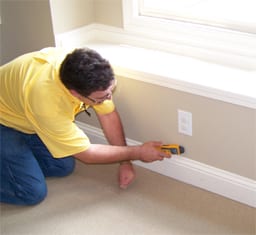

Common complex investigations
Mold may be concealed behind drywall, beneath wood or laminate flooring, above ceilings, inside pipe chases, behind cabinets, around windows, in insulation, or beneath baseboards. Warning signs may include musty odors, staining, soft materials, peeling finishes, prior leaks, warped flooring, or incomplete repair history.
Some concealed conditions cannot be confirmed without opening materials. Inspection, moisture data, odor mapping, and sampling can help decide whether carefully planned destructive investigation is justified.
Read the hidden mold guideHVAC-related complaints may involve wet insulation, debris, dirty blower wheels, condensate pans, coils, filters, return plenums, fan-coil intake cavities, duct liner, microbial growth, or odors that change when equipment operates.
HVAC assessment should consider moisture, filtration, dust accumulation, material type, condensate drainage, air movement, access limitations, and whether cleaning, repair, material replacement, or further sampling may be warranted.
View mold in HVAC servicesSettled dust can contain material deposited over weeks, months, or years. DNA-based testing may identify selected mold species in the sampled dust, but the result can be influenced by sampling area, dust age, cleaning history, outdoor sources, carpets, furnishings, prior water damage, and the surfaces combined.
ERMI was developed by EPA scientists as a research tool and should not be treated as a stand-alone health diagnosis, universal pass/fail standard, or substitute for a site-specific inspection.
Clearance should be based on the remediation plan and project conditions. It may include review of source correction, removal of affected materials, cleanliness, absence of visible growth and debris, moisture conditions, containment status, odor observations, and selected air or surface samples.
Passing one sample does not correct incomplete removal, remaining wet materials, visible dust, hidden damage, or an unresolved moisture source.
Read Mold Clearance & Post-Remediation VerificationNew York mold licensing
New York State’s Mold Program establishes licensing requirements and minimum work standards for covered mold assessment and remediation work. The program separates assessment from remediation to reduce conflicts of interest.
The mold assessor evaluates the property and, when applicable, prepares the mold remediation plan. A separate licensed remediation contractor performs the cleanup. The assessor may then conduct the post-remediation assessment according to the project scope and clearance criteria.
Certain New York City projects may also be subject to building-size, mold-area, licensing, filing, and indoor-allergen requirements. Applicability should be confirmed for the specific property and project.
Assessment process
We review the location, building type, affected rooms, odors, moisture history, visible conditions, HVAC concerns, prior work, and documentation needs.
Inspection areas, moisture measurements, sample types, laboratory methods, access needs, comparison samples, and reporting level are selected.
Accessible building areas are evaluated for moisture, damage, suspect growth, odors, HVAC conditions, and potential hidden-risk locations.
Air, surface, dust, or material samples are collected when they will help answer the project question or document selected conditions.
Laboratory results are interpreted with moisture readings, inspection findings, sample locations, outdoor conditions, and building history.
The agreed deliverable may include findings, photographs, analytical results, limitations, remediation recommendations, or clearance conclusions.
Project documentation
Important limitations
Mold inspections and samples represent selected accessible areas and conditions at the time of the assessment. Mold and moisture conditions can change with weather, leaks, ventilation, HVAC operation, cleaning, disturbance, occupancy, and access.
There are no generally applicable federal health-based standards for airborne mold or mold spores. Results should not be presented as compliance with a federal “safe mold level” or universal pass/fail concentration.
A low or non-detect result in one sample does not prove that mold is absent from every room, wall cavity, floor assembly, ceiling, cabinet, HVAC component, content, or condition that was not represented by the sampling plan.
Air samples are typically short-duration snapshots. Surface samples confirm what was collected from a selected surface. Dust samples may reflect a longer history but can combine material from multiple sources and time periods.
Environmental testing documents selected building conditions. It does not diagnose illness, establish individual medical exposure, or prove that a particular building condition caused a health complaint. Medical questions should be discussed with an appropriate health care professional.
Official mold and moisture resources
These official resources provide guidance concerning moisture control, sampling limitations, workplace dampness, mold cleanup, New York licensing, and New York City mold and indoor-allergen requirements.
Federal guidance addressing moisture control, mold cleanup, prevention, materials, and common residential questions.
Open EPA guide EPA Mold Testing or SamplingEPA information explaining sampling limitations, the lack of federal mold limits, and circumstances in which professional sampling may be useful.
Open EPA sampling guidance CDC Mold and Damp Building InformationPublic-health information concerning damp buildings, mold exposure, health considerations, prevention, cleanup, and disaster recovery.
Open CDC resource CDC / NIOSH Mold Testing and RemediationWorkplace guidance emphasizing dampness assessment, moisture correction, sampling limitations, and remediation of affected building materials.
Open NIOSH resource NYS DOL New York State Mold ProgramOfficial information concerning mold assessor and remediator licensing, minimum work standards, consumer protections, and independent assessment.
Open NYS Mold Program NYC Health Mold Information and Project RequirementsNew York City information concerning mold prevention, removal, licensed work, project filing, and Healthy Neighborhoods assistance.
Open NYC Health resource NYC HPD Indoor Allergen HazardsInformation concerning New York City owner responsibilities for mold, pests, underlying conditions, and Local Law 55 indoor-allergen requirements.
Open NYC HPD resource OSHA Mold in the WorkplaceOccupational resources concerning workplace mold, moisture, prevention, cleanup, indoor air quality, and worker protection.
Open OSHA resourceRelated environmental services
Regional mold assessment
Angstrom provides mold testing and licensed assessment services throughout New York City, Long Island, Westchester, southern Connecticut, eastern New Jersey, and nearby areas. Availability and licensing requirements depend on the property, jurisdiction, project size, urgency, access, laboratory schedule, and requested scope.
Serving Nassau County, Suffolk County, Queens, and nearby Long Island communities.
View Rockville Centre location New York City Office Park Avenue, ManhattanServing Manhattan and residential, commercial, and institutional properties throughout all five New York City boroughs.
View Manhattan location Westchester Office White Plains, NYServing White Plains and communities throughout lower, central, and northern Westchester.
View White Plains locationMold, moisture and HVAC articles
When professional assessment is useful after water damage, musty odors, visible concerns, real-estate questions, HVAC complaints, or remediation.
Read article Hidden Mold Hidden Mold: Signs, Common Locations & How It Is InvestigatedConcealed mold behind walls, under flooring, above ceilings, behind cabinets, and in other building assemblies affected by moisture.
Read article Clearance Mold Clearance & Post-Remediation VerificationIndependent post-remediation inspection, moisture review, cleanliness, project-specific criteria, documentation, and targeted sampling when appropriate.
Read article HVAC Air Duct Cleaning and HVAC ContaminationWhen HVAC dust, liner, coils, blowers, drain pans, moisture, or microbial contamination may require assessment.
Read articleMold testing FAQs
An inspection may be useful after water damage, flooding, a roof or plumbing leak, persistent musty odor, visible staining, suspected hidden mold, HVAC odor complaints, incomplete drying, before a real estate transaction, before remediation, or after cleanup.
No. Sampling should be selected for the project question. Visible mold may already establish that affected materials require correction. Air samples may be useful for selected hidden-mold, comparative, HVAC, legal, real estate, or clearance objectives, but they do not replace inspection and moisture evaluation.
No. There is no generally applicable federal health-based pass/fail standard for airborne mold. A short-duration sample represents selected conditions at one location and time. Results must be interpreted with the building inspection, moisture conditions, sample locations, outdoor environment, and laboratory limitations.
Yes. Hidden-mold evaluation may include water-damage history, odor mapping, moisture measurements, staining, damaged finishes, adjacent rooms, HVAC pathways, floor and ceiling assemblies, cabinets, and targeted samples. Some concealed conditions cannot be confirmed without carefully planned opening of building materials.
Inspection evaluates the building, moisture sources, materials, odors, visible conditions, HVAC systems, and likely pathways. Testing collects selected air, surface, dust, or material samples. The strongest assessment uses testing only where it helps answer a question identified through the inspection.
Yes. DNA-based settled-dust testing may be included when it fits the project scope. ERMI was developed as a research tool and is not treated as a universal health standard, stand-alone diagnosis, remediation clearance method, or substitute for a site inspection.
Yes. Accessible fan coils, air handlers, blowers, coils, drain pans, filters, return plenums, registers, duct liner, condensate drainage, dust accumulation, and microbial growth may be evaluated when included in the scope.
No. Angstrom provides independent mold assessment, inspection, sampling, remediation planning, consulting, and post-remediation evaluation. We do not perform mold cleanup, demolition, reconstruction, or restoration contracting.
Yes, when included in the agreed scope. Documentation may include site history, observations, moisture readings, photographs, sample locations, laboratory results, interpretation, limitations, remediation recommendations, and clearance conclusions.
Angstrom provides mold inspection and testing in New York City, Long Island, Westchester, southern Connecticut, eastern New Jersey, and nearby areas. Availability and licensing depend on the project location, property type, scope, urgency, access, and laboratory schedule.
Discuss the mold or moisture concern
Describe the property type, location, affected rooms, musty odor, visible staining, water-damage history, HVAC concern, prior remediation, real estate deadline, and whether you need air testing, surface sampling, dust testing, ERMI/HERTSMI-2, a remediation plan, or post-remediation clearance.

Certified Industrial Hygienist
Indoor Air Quality Association

Board for Global EHS Credentialing
IICRC Certified
Rockville Centre Chamber Member