Cockroach Allergens, Pest Dust, Indoor Air Quality, Asthma Triggers, and Dust Sampling
Cockroach Allergen Testing: Dust Sampling, Sources and Result Interpretation
Cockroach allergens can become part of indoor dust from droppings, saliva, shed body parts, decomposed insects, and contaminated reservoirs. In apartments, schools, daycares, offices, and homes, cockroach allergen testing may help document whether selected dust reservoirs contain measurable pest-related allergens.
Article Summary
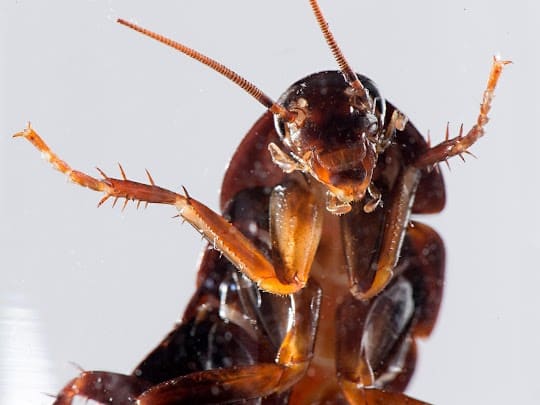
Cockroach allergens are proteins and biological particles associated with cockroach droppings, saliva, body fragments, and decomposed insect material. These allergens may settle into household dust and may remain in carpets, cracks, cabinets, wall openings, upholstered furniture, HVAC dust, and other reservoirs.
EPA identifies cockroach feces, saliva and body material as sources of proteins that can trigger allergic reactions or asthma symptoms in some people. Environmental dust testing does not diagnose cockroach allergy or asthma and cannot determine whether a measured allergen caused an individual's symptoms. It can document selected dust reservoirs for the specific allergen markers analyzed.
This article explains where cockroach allergens may collect, when testing may be useful, how dust sampling works, and how results should be interpreted. For Angstrom’s main service page, visit indoor air quality testing.
What Are Cockroach Allergens?
Cockroach allergens are allergen-containing materials associated with cockroach droppings, saliva, shed body parts, decomposed insects, and contaminated dust. These particles can accumulate in settled dust and may be disturbed by cleaning, movement, HVAC airflow, pest activity, or building work.
Cockroach allergen is not always obvious during a visual inspection. A room can look clean but still have allergen reservoirs in cracks, cabinets, floor edges, closets, carpeting, upholstered furniture, wall voids, or areas that previously had pest activity.
Dust sampling can help document whether selected reservoirs contain measurable cockroach-allergen markers. Results should be interpreted with the collection method, sampled area, laboratory method, pest history, cleaning history, sample location and project objective. A result from one reservoir does not characterize every room, wall void, cabinet, carpet or adjacent unit.
Where Cockroach Allergens Commonly Collect
Cockroach allergens are usually part of settled dust reservoirs rather than a uniform condition throughout an entire building. Kitchens, bathrooms, utility areas, basements, garbage rooms, wall openings, and cluttered storage areas are common locations to evaluate.
Kitchens and Cabinets
Food residues, moisture, plumbing openings, cabinet voids, and appliance gaps can support pest activity and dust reservoirs.
Bathrooms and Utility Areas
Leaks, dampness, pipe chases, and wall openings can create pathways and harborage areas for pests.
Carpets and Floor Dust
Carpet dust, floor edges, baseboards, and rugs can retain allergen-containing particles and pest debris.
Wall Voids and Openings
Cracks, gaps, pipe penetrations, shared walls, and floor openings may allow pest movement and dust migration.
HVAC and Return Dust
Return grilles, filters, fan-coil units, air handlers, and dust deposits may collect mixed indoor particles.
Schools and Apartments
Multi-unit buildings, classrooms, daycares, and common areas may require room-specific sampling and documentation.
Cockroach Allergens, Asthma, and Allergy Concerns
Cockroach allergens are commonly discussed as indoor asthma and allergy triggers. Sensitive individuals may experience allergy-like symptoms or asthma complaints when exposed to pest-related allergens, although symptoms are not specific to cockroach allergen alone.
Similar symptoms may also involve dust mites, pet dander, mold, pollen, bacteria-related dust, combustion products, VOCs, formaldehyde, cleaning products, poor ventilation, or unrelated medical conditions. That is why cockroach allergen testing may be part of a broader indoor air quality assessment.
Environmental testing can document selected dust conditions, but it is not a medical diagnosis. Allergy, asthma, and treatment questions should be discussed with a qualified healthcare professional.
When Cockroach Allergen Testing May Be Useful
Cockroach allergen testing may be useful when a defined environmental question involves current or past pest activity, selected dust reservoirs, pre- or post-cleaning documentation, comparison of locations, or a need to determine whether cockroach-allergen markers are measurable in sampled dust.
- Cockroach sightings, droppings, odor, or pest history
- Asthma or allergy complaints possibly related to the indoor environment
- Dust reservoirs in kitchens, bedrooms, classrooms, cabinets, or carpets
- Apartment, school, daycare, office, or multifamily building concerns
- Complaints that continue after pest treatment or cleaning
- Tenant, landlord, attorney, school, daycare, or property-management documentation
- Comparison of rooms, units, or dust reservoirs
- Need to evaluate pest allergen before or after cleaning
- Concern about mixed allergens, including dust mites, pets, cockroach, and mold
- Need for independent dust sampling and laboratory analysis
How Cockroach Allergen Dust Sampling Works
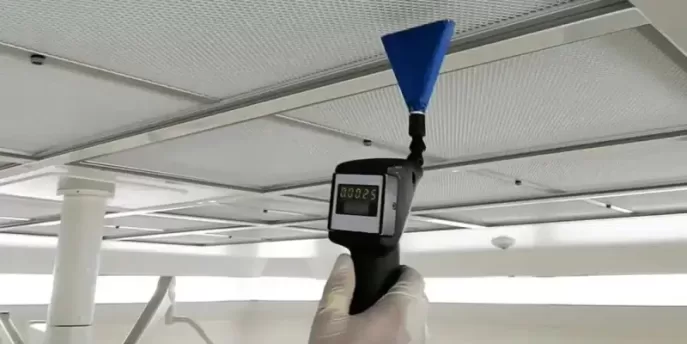
Cockroach allergen testing generally involves collecting settled dust from selected surfaces or reservoirs and submitting the sample to a laboratory for analysis of specified cockroach-allergen markers. The collection method, sampled area, available dust and laboratory requirements should be defined before sampling.
Samples may be collected from kitchen dust, cabinet dust, floor dust, carpet dust, bedroom dust, classroom dust, HVAC-related dust, or other reservoirs where cockroach allergen may collect.
Cockroach allergen dust testing is different from a pest inspection. A pest inspection evaluates live activity, entry points, harborage, and treatment needs. Dust testing evaluates allergen-containing material in selected settled dust reservoirs.
How Cockroach Allergen Results Should Be Interpreted
Laboratory results should remain tied to the sampled dust reservoir and analytical method. Reporting units and methods can differ, so results should not be treated as interchangeable without reviewing the laboratory method.
Testing May Help Document
- Whether the analyzed cockroach-allergen marker was detected in a selected sample
- The reported amount or concentration for that sample and method
- Differences among selected rooms or reservoirs when the sampling plan supports comparison
- Conditions before or after cleaning when comparable methods and locations are used
Testing Does Not Automatically Establish
- That active cockroach infestation is currently present
- That every room or adjacent unit has the same condition
- A person's exposure dose or clinical sensitization
- That a measured allergen caused a particular symptom or illness
- A universal health-based pass/fail value for every building or project
Cockroach Allergen in Apartments and Multifamily Buildings
Apartments and multifamily buildings can be more complicated than single-family homes because pests may move through shared walls, pipe chases, floor openings, trash areas, basements, utility rooms, and adjoining units.
A tenant may clean one apartment while allergen reservoirs remain in cabinets, wall openings, carpeting, common areas, or adjacent spaces. A property manager may need documentation before or after pest control, cleaning, sealing, or building repairs.
Testing can help compare selected locations, but results must be interpreted with the sampling plan, unit history, visible pest evidence, cleaning history, and building conditions.
Cockroach Allergen in Schools and Daycares
Schools and daycares may request cockroach allergen or dust testing when asthma complaints, pest history, dust reservoirs, or parent concerns require documentation. Sampling may focus on classrooms, kitchens, food areas, storage rooms, carpets, rugs, mats, and floor dust.
Children may have frequent contact with floors, rugs, toys, desks, and other surfaces. A dust assessment can help document selected environmental conditions, but medical evaluation and asthma management should be handled by qualified healthcare professionals.
Environmental control usually requires source reduction, sanitation, pest management, sealing openings, moisture correction, cleaning, and follow-up when needed.
Cleaning, Pest Control, and Source Reduction
Reducing cockroach allergens usually requires addressing the source of pest activity and the dust reservoirs that remain after activity occurs. Cleaning alone may not be enough if food, moisture, harborage, or entry pathways remain.
Practical controls may include storing food in sealed containers, cleaning food residues, reducing clutter, repairing leaks, sealing cracks and pipe openings, managing trash, using appropriate pest control methods, and cleaning dust reservoirs carefully.
Some pesticide sprays and fragrances can irritate sensitive occupants. Pest control decisions should be handled by qualified pest management professionals, especially when asthma, children, schools, or sensitive occupants are involved.
Cockroach Allergens, Dust Mites, Pets, and Mold
Indoor dust often contains more than one allergen source. Cockroach allergen may be present along with dust mite allergen, pet dander, pollen, mold spores, bacteria-related material, fibers, soil, and other particles.
When symptoms or building complaints are not specific, it may be useful to evaluate multiple dust or air quality factors rather than assuming one source is responsible. Related concerns may include mold testing, bacteria testing, mycotoxin dust testing, or broader indoor air quality testing.
A useful report should describe the sample locations, reason for sampling, laboratory method, results, limitations, and practical interpretation.
Cockroach Allergen Testing FAQs
What is cockroach allergen testing?
Cockroach allergen testing evaluates selected dust samples for allergen markers associated with cockroach droppings, saliva, body parts, or decomposed insect material.
Can cockroach allergens remain after pests are gone?
Yes. Allergen-containing dust may remain in carpets, cabinets, cracks, HVAC dust, upholstered furniture, and other reservoirs after visible pest activity has been reduced.
Is cockroach allergen testing the same as pest control?
No. Pest control evaluates and treats pest activity. Cockroach allergen testing documents allergen-containing dust in selected sample locations.
Where are samples collected?
Samples may be collected from kitchen dust, cabinet dust, floor dust, carpet dust, bedroom dust, classroom dust, HVAC-related dust, or other reservoirs selected for the project.
Does testing diagnose a cockroach allergy?
No. Environmental testing documents selected dust conditions. Allergy diagnosis, asthma evaluation, and treatment should be handled by a qualified healthcare professional.
Can cleaning change the results?
Yes. Cleaning, pest control, recent disturbance, vacuuming, dust removal, and ongoing pest activity can affect dust conditions and should be considered when interpreting results.
Important Limitations
Cockroach allergen testing is limited to the dust reservoirs, surfaces, rooms, and conditions sampled at the time of the assessment. Results can change with cleaning, pest control, occupancy, dust disturbance, HVAC operation, and ongoing pest activity.
A low result in one location does not prove that cockroach allergen is absent from every room, cabinet, carpet, wall void, HVAC surface, or adjacent unit. A meaningful assessment depends on the sampling plan, target locations, laboratory method, building history, and reason for testing.
Environmental testing can document measured building conditions and support property decisions, but it is not medical advice. Allergy, asthma, and health questions should be discussed with a qualified healthcare professional.
Official Cockroach Allergen and Indoor Air References
EPA guidance on cockroach allergen sources and asthma/allergy triggers.
U.S. EPABiological Contaminants and Indoor Air QualityEPA information on indoor biological contaminants and common allergy/asthma triggers.
U.S. EPACockroaches and SchoolsEPA guidance on cockroach sources, sanitation, exclusion and integrated pest management in schools.
CDCControlling Asthma TriggersCDC information on household pests and environmental asthma-trigger control.
Need Site-Specific Dust or Indoor Air Quality Testing?
A useful environmental scope depends on the actual pest history, sampled reservoirs, cleaning history, property type, comparison locations and decision the testing needs to support.
For environmental assessment options, visit Angstrom's Indoor Air Quality Testing service page.