Lead Paint Inspection, XRF Testing & Laboratory Paint-Chip Analysis
How Lead Paint Is Tested: XRF Inspection vs. Paint-Chip Sampling
Painted surfaces can be evaluated for lead using several methods. X-ray fluorescence (XRF) testing provides rapid, nondestructive measurements on individual painted components, while paint-chip sampling removes a small amount of coating for laboratory analysis. The appropriate method depends on the building, jurisdiction and reason for testing.
Paint condition alone cannot tell you its lead content
Why Test Painted Surfaces for Lead?
Lead-based paint is still present in many older buildings. The federal government banned consumer use of lead-containing paint in residential applications in 1978, so pre-1978 housing receives particular attention under federal lead regulations.
Lead paint can be intact and still contain lead. The hazard increases when lead-containing coatings deteriorate or are disturbed by friction, impact, sanding, scraping, demolition, window replacement or other renovation work.
Testing answers a different question from a visual inspection. A visual inspection can identify peeling or damaged paint, while XRF or laboratory analysis can determine whether a particular coating meets the applicable definition of lead-based paint.
For site-specific testing, see Angstrom's Lead Paint Testing & Lead Risk Assessments service page.
Lead paint testing is component-specific
Which Painted Building Components Can Be Tested?
A lead inspection is not simply one reading per room. Painted components can differ by substrate, paint history, renovation history and coating system.
Windows
Sashes, jambs, stops, sills, casings and other window components may have different paint histories and lead concentrations.
Doors & Frames
Door slabs, frames, jambs and trim are friction and impact surfaces that may generate dust when older coatings contain lead.
Walls & Ceilings
Plaster, drywall and other substrates may have multiple generations of paint even when the visible finish appears relatively new.
Baseboards & Trim
Moldings, casings, rails and other architectural woodwork often preserve older coating layers after walls have been repainted.
Radiators & Metal Surfaces
Painted radiators, pipes, railings and metal components can contain older high-lead coatings and require appropriate testing technique.
Cabinets & Built-Ins
Older shelving, closets, cabinetry and built-in furniture may retain original paint layers even after surrounding rooms are renovated.

Two established ways to evaluate painted surfaces
XRF Lead Paint Testing vs. Paint-Chip Sampling
X-Ray Fluorescence Testing
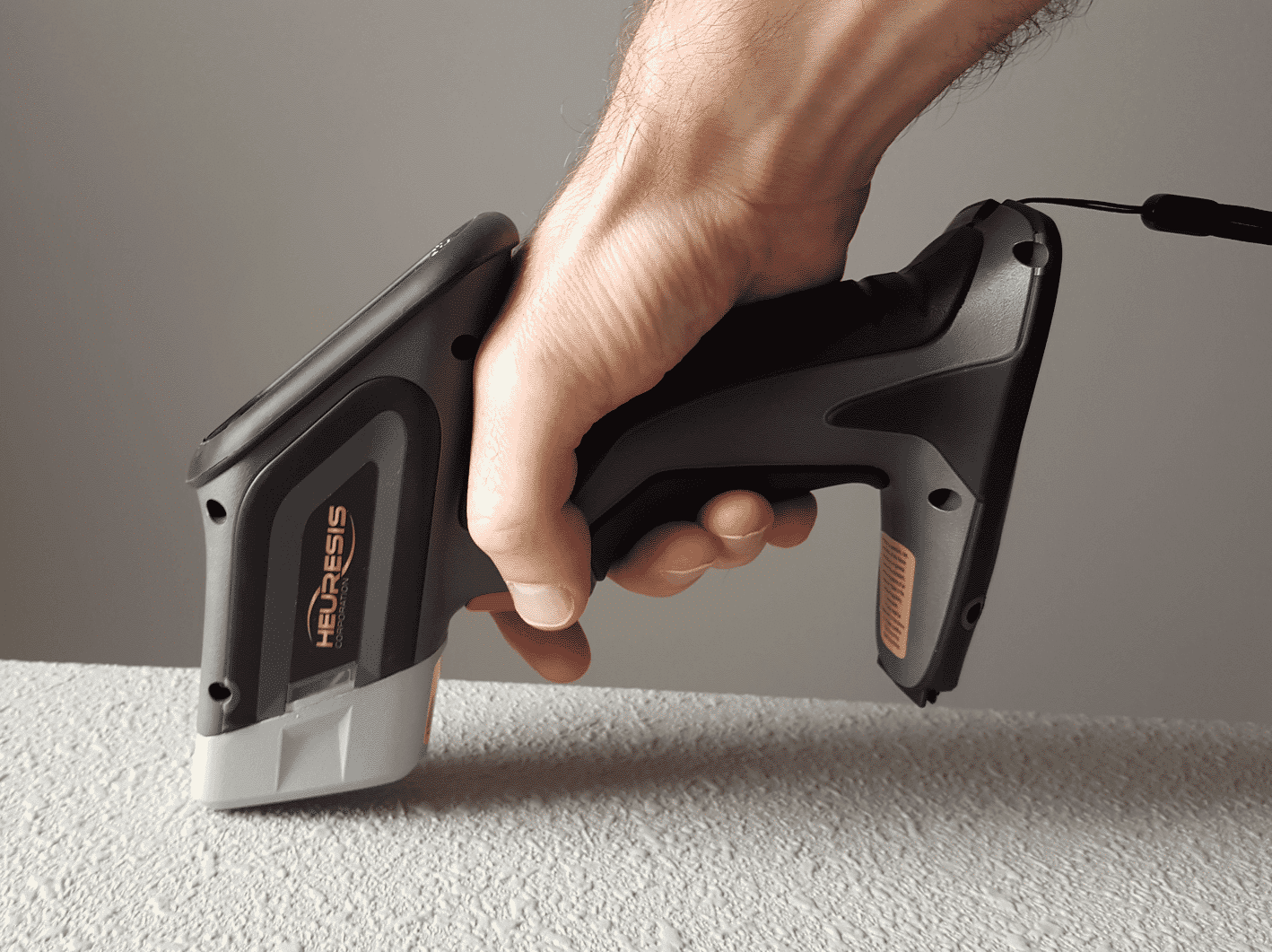
A portable XRF analyzer measures lead in the painted coating system and typically reports the result in milligrams of lead per square centimeter (mg/cm²).
- Nondestructive or minimally disruptive
- Rapid component-by-component measurements
- Useful for large inspections with many painted surfaces
- Instrument performance and substrate effects must be considered
- Results are interpreted using the applicable performance-characteristic sheet and regulatory criterion
Paint-Chip Laboratory Analysis
A small sample of the coating is physically removed and submitted to a qualified laboratory for lead analysis.
- Destructive sampling at the selected location
- Useful when laboratory confirmation is needed
- May be used where XRF results are inconclusive or unsuitable
- The collected sample must represent the intended painted surface
- Results may be reported by area or by weight depending on the method and program
Neither method is simply “better” in every situation.
XRF is generally efficient for inspecting many painted components because it avoids removing a chip from every test location. Paint-chip analysis remains useful for confirmatory testing, difficult substrates, selected renovation determinations or other project-specific needs.
A real inspection requires component identification and documentation
How a Lead Paint Inspection Is Performed
Define the Testing Objective
Determine whether the project is a lead inspection, risk assessment, renovation determination, Local Law compliance evaluation or another specific type of investigation.
Identify Painted Components
Walls, ceilings, doors, windows, trim, cabinets, radiators and other components are identified by room, component type and substrate.
Collect XRF Readings or Paint Samples
The appropriate test method is used according to professional certification, instrument requirements and the governing program.
Classify the Results
Results are compared with the definition that applies to the property and jurisdiction rather than assuming one numerical threshold applies everywhere.
Document the Findings
Reports should identify tested locations, component descriptions, test results and relevant limitations so the findings can be used for planning and compliance.
Regulatory context reviewed August 2026
Federal and New York City Lead-Paint Definitions Are Not Identical
The applicable definition depends on the program and jurisdiction. This is especially important in New York City because the city uses a lower XRF threshold than the general federal definition.
Federal Definition
Under the federal lead-based paint regulations in 40 CFR Part 745, lead-based paint generally means paint or other surface coatings containing:
This federal definition is widely used in federal inspection, disclosure and lead-hazard programs.
New York City Definition
NYC uses a lower citywide threshold for lead-based paint. Current NYC guidance identifies lead-based paint as:
NYC also identifies 0.25% by weight for a paint-chip sample when the surface area cannot be accurately measured.
NYC Local Law 31 Testing
NYC required owners to complete XRF testing of rental dwelling units and common areas in covered buildings by August 9, 2025. The deadline has passed, so owners who have not completed required testing should review current HPD compliance guidance.
Testing is performed using the NYC 0.5 mg/cm² action level by appropriately certified lead professionals.
Why the Difference Matters
A surface measuring between 0.5 and 1.0 mg/cm² may fall below the general federal 1.0 mg/cm² definition yet still meet NYC's current definition of lead-based paint.
Reports and project decisions should therefore identify which standard applies instead of labeling a result “positive” or “negative” without context.
Pre-renovation testing has its own regulatory purpose
Testing Paint Before Renovation, Repair or Painting
EPA's Renovation, Repair and Painting (RRP) Rule generally applies to paid work that disturbs paint in covered pre-1978 housing and child-occupied facilities unless an applicable exception is established.
Under the federal RRP framework, certified renovators can use EPA-recognized lead test kits or paint-chip sampling for certain component determinations. Certified lead inspectors and risk assessors may use additional approved methodologies, including XRF, within the scope of their certifications.
This is different from a complete lead-based paint inspection of an entire property. A renovation determination may focus only on components affected by the planned work.
If the project also involves dust created by renovation, see our guide to lead dust wipe testing and result interpretation.
What a paint test does and does not tell you
Important Lead Paint Testing Limitations
Component-Specific
A result from one window, door or wall does not automatically classify every similarly painted component unless the governing inspection protocol allows them to be grouped.
Paint Testing Is Not Dust Testing
A positive paint result identifies lead in the coating. Dust-wipe sampling is needed when the question involves lead loading on floors, sills or other settled surfaces.
Lead Content Is Not Paint Condition
An intact lead-containing coating and a peeling lead-containing coating may have very different hazard implications even though both contain lead.
The Applicable Standard Matters
Federal, NYC, HUD, RRP and other programs may use different definitions, procedures or documentation requirements.
Paint Chips Are Destructive
Removing a chip exposes the underlying substrate and may require repair, cleanup and careful sample collection to avoid contaminating the area.
Environmental, Not Medical
Paint testing identifies lead in building coatings. It does not determine an individual's blood lead level, exposure dose or medical diagnosis.
Related Angstrom resources
Lead Paint, Lead Dust & Renovation Testing
Official regulatory and technical references
EPA, eCFR, HUD & NYC Lead Paint Resources
EPA overview of lead-based paint inspection, risk assessment and testing options.
Open EPA resource eCFR 40 CFR Part 745Current federal lead-based paint regulations, definitions and program requirements.
Open current regulation U.S. EPA Renovation, Repair and Painting ProgramCurrent EPA information about lead-safe certification and covered renovation work.
Open EPA RRP resource NYC HPD Lead-Based Paint RequirementsNYC guidance on Local Law 1, XRF testing and current lead-based paint requirements.
Open NYC HPD resource NYC HPD Local Law 31 XRF Testing FAQHPD guidance addressing XRF testing requirements for covered rental units and common areas.
Open XRF FAQ HUD Lead-Based Paint Inspection GuidelinesHUD technical guidance addressing component identification, XRF testing and paint-chip sampling.
Open HUD guidanceLead paint testing questions
Frequently Asked Questions
What is the best way to test paint for lead?
For a professional component-by-component inspection, XRF is often efficient because it can evaluate many painted surfaces without removing paint chips. Laboratory paint-chip analysis may be appropriate when confirmatory or destructive testing is needed.
Does an XRF analyzer damage the painted surface?
XRF testing is generally nondestructive. The instrument is placed against the painted component and measures lead without removing a paint sample.
What is the federal definition of lead-based paint?
Under federal regulations, lead-based paint generally means paint or other surface coatings containing at least 1.0 mg/cm² of lead or 0.5% lead by weight.
Why does New York City use 0.5 mg/cm²?
NYC adopted a lower citywide definition of lead-based paint. Current NYC guidance uses 0.5 mg/cm² for XRF testing or an accurately measured paint-chip sample. This is lower than the general federal 1.0 mg/cm² definition.
Can a paint-chip sample be used instead of XRF?
Paint-chip analysis is an established testing method, but whether it may substitute for XRF depends on the project and regulatory program. NYC Local Law 31 compliance, for example, specifically centers on XRF testing.
Is lead paint testing the same as a lead risk assessment?
No. A lead-based paint inspection identifies whether lead-based paint is present on tested components. A risk assessment evaluates lead-based paint hazards and may also consider dust, deteriorated paint, soil and other environmental conditions.
Should paint be tested before renovation in a pre-1978 building?
Testing may help determine whether components planned for disturbance contain regulated lead-based paint. However, the federal RRP Rule has specific requirements for who may make certain determinations and which testing methods may be used.
Need XRF Lead Paint Testing?
Tell us about the building age, property type, renovation plans, painted components and whether the project involves NYC Local Law compliance, a lead inspection, risk assessment, due diligence or pre-renovation testing.
Request lead paint testing
Tell Us About the Property and Testing Objective
Use the form below to describe the property location, building year, painted components, renovation plans, Local Law requirements, peeling paint, child-occupied areas and whether you need XRF testing, paint-chip analysis, dust-wipe testing or a broader lead risk assessment.